












11/10/2026
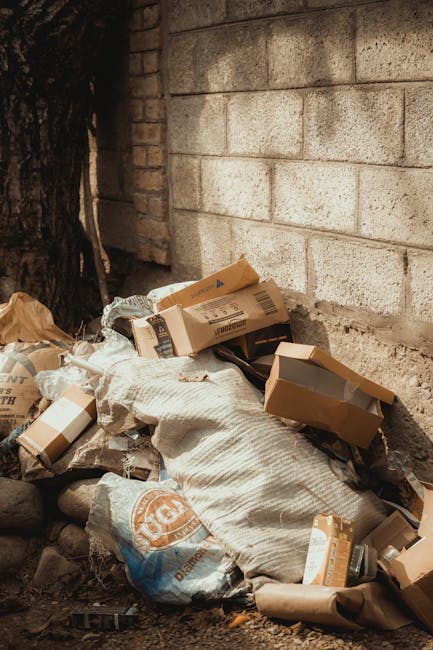
If you have ever booked rubbish removal and then seen the final bill creep up, you will know how...
Waste Disposal Battersea provides waste disposal in Battersea for customers who need practical, straightforward clearance and collection of unwanted items. The service can cover routine household waste, bulky possessions, office contents, garden debris and mixed rubbish from refurbishment work. If you need a clear, organised way to remove waste from a property, this page sets out the main options and the sort of work that can usually be arranged.
The most common jobs involve lifting, sorting and removing items that are awkward to move or too much to handle in one go. That might include a single heavy item, a full room of redundant furniture, or a larger load from a property that needs to be emptied carefully. We also look at supporting details such as access, item type, and how the waste should be separated so the collection is handled efficiently and with suitable care.
Use the sections below to understand the core services, the main disposal choices and the factors that can shape the work. If you already know what needs removing, you can start by outlining the items and request a quotation in plain terms. For a broader overview of what is covered, see the services overview.
Domestic waste disposal is often needed when general household items begin to build up, whether the work is part of a clear-out or simply a one-off collection. Our household service can cover bagged rubbish, mixed clutter, old homeware, unwanted storage contents and other domestic items that are no longer needed. The aim is to leave the property easier to use, while keeping the disposal process as organised as possible from the first enquiry through to the final load.
For smaller amounts of rubbish, a focused collection may be all that is needed. For larger domestic jobs, it can be useful to think about how the waste is stored and whether any items should be kept separate from the rest. A short written description is often enough to begin, but it helps to mention anything heavy, fragile or difficult to access. If you are comparing domestic options, the domestic waste collection and rubbish collection pages explain related service types.
Bulky furniture is one of the most common reasons customers arrange waste disposal, especially when sofas, wardrobes, tables, beds or broken cabinets are too large to move without help. Furniture removal is usually the most efficient answer when the goal is to clear space quickly and keep the process tidy. It is also useful where the item has reached the end of its life and needs to be taken away rather than stored or shifted elsewhere in the property.
Some customers need a single item collected, while others want several pieces removed together as part of a larger clear-out. A practical approach is to identify which items are easy to lift, which need two people, and whether anything must be disassembled first. If upholstery, wood, metal or mixed materials are involved, those details help shape the collection. Related pages for furniture removal and furniture disposal give a more specific view of this type of work.
Refurbishment projects often produce waste that is different from ordinary household rubbish. Builders waste can include broken plasterboard, timber offcuts, packaging, tiles, old fixtures, flooring scraps and general debris left behind after work has finished. This type of disposal is best handled with a clear idea of the material mix, because the load may contain both reusable and non-reusable components that need to be sorted sensibly.
For ongoing works or post-project clearances, it is helpful to think about access, loading space and whether the waste is being gathered from inside the property, a garden area or outside a building. Some jobs are simple collections, while others require more careful handling around dust, sharp edges or heavy offcuts. When you need a focused construction-related collection, the builders waste disposal page is the clearest place to look for that service.
Useful details to include when asking for a quotation:
House clearance is suited to properties where a larger volume of contents needs to be removed, often because a room, flat or entire house is being emptied. This kind of work can involve furniture, boxed items, general waste, stored belongings and mixed contents that need careful sorting during the clearance. A well-planned clearance is usually about more than lifting: it also depends on deciding what should be taken, what should remain and how the work should be sequenced around the property.
Loft spaces often present different issues from ground-floor rooms. Items may be lighter but harder to reach, and older storage spaces sometimes contain a mixture of household goods, seasonal items and forgotten clutter. For that reason, a loft clearance can call for a more selective approach, especially where access is narrow or the contents have been there for years. If you need either type of service, the relevant pages for house clearance and loft clearance explain the scope more directly.
Commercial waste disposal is designed for workplaces that need unwanted items removed in an orderly way. Offices may need desks, chairs, filing units, monitor stands, packaging, archives or general workplace waste collected as part of a move, refurbishment or routine clearance. A business-focused service is often about maintaining access and keeping the process practical for staff, tenants or building managers, especially where there are shared entrances or time constraints.
Office clearance work can overlap with general commercial waste removal, but the detail matters. Some clearances involve only a few surplus items, while others require the removal of larger volumes from multiple rooms or floors. Where the materials include mixed business waste, old furniture or redundant equipment, it helps to separate what is to be taken from what should stay on site. You can review the commercial waste removal and office clearance pages for more targeted information.
Battersea sits on the south bank of the River Thames in the London Borough of Wandsworth and has long been shaped by the relationship between river, industry and residential growth. The area is known for Battersea Park, a large riverside green space opened in the 19th century, and for the nearby Battersea Power Station, whose distinctive brick architecture and chimneys have become one of south-west London’s most recognisable landmarks. The riverside has seen significant change over time, moving from industrial and transport uses towards housing, leisure and public realm improvements, while still retaining strong traces of its working past. Battersea’s street pattern includes older terraces, mansion blocks and later developments, alongside commercial stretches such as Northcote Road and the surroundings of Clapham Junction, one of the busiest rail interchanges in the capital. The area’s cultural life is broad, with galleries, restaurants, parkside walks and community spaces contributing to a busy urban character. Battersea Park remains a key feature, with open lawns, tree-lined paths, sports facilities and views across the river. The presence of the Thames Path, the Peace Pagoda and the restored power station development all add to the sense of a district that combines heritage with change. Historically, Battersea was known for market gardening, industry and social reform movements, and those layers still inform how the area is understood today. Its mix of residential neighbourhoods, waterfront landmarks and transport connections gives it a distinctive identity within inner London, balancing local streets with major city-scale destinations.
Not every clearance fits neatly into one category, which is why mixed waste disposal is often needed. Garden waste may include branches, clippings, soil-filled bags, broken plant containers or outdoor furniture that has reached the end of its life. White goods and appliance disposal, by contrast, can involve washing machines, fridges, freezers, cookers or dishwashers, all of which need careful handling because of their size and weight. A mixed collection can bring those different needs together in one visit when the items are already gathered and ready.
These jobs are easier to plan when the customer has a simple list of what is going, even if it is not yet fully sorted. It is also useful to note whether any appliance is integrated, whether garden waste is loose or bagged, and whether the collection point is on a driveway, through a side passage or upstairs. For more specific service pages, see the garden waste removal and white goods and appliance disposal pages.
If you are ready to move forward, send a short outline of the items and the location details that affect access. Pricing and quotes gives a useful starting point for the quotation process.
When customers ask about cost, the main factors are usually the type of waste, the amount to be removed, access to the property and whether the load includes awkward or heavy items. A clear description allows the quotation to reflect the work more accurately. If the job involves several categories of waste, it may also help to understand which items can be grouped together and which require separate handling. That is why it is often better to describe the waste plainly rather than trying to fit it into a generic label.
Safety and responsible disposal matter across every kind of collection. Heavy lifting, enclosed spaces, sharp materials and appliance handling all call for sensible procedures, particularly where a property has stairs, tight corners or limited parking. Customers who want to understand how waste is managed can look at our compliance and policy pages, including waste carrier licence and compliance, insurance and safety and recycling and sustainability, which set out the standards behind the service.
Whether you are clearing a flat, removing office contents, dealing with builders waste or arranging a one-off bulky collection, the simplest next step is to describe the items and any access points that could affect the work. A short note about the quantity, location and timing is usually enough to begin a quotation, and it helps to mention any material that needs special care or separate handling. If the job involves several types of waste, list them in the order you want them dealt with so the scope is clear from the start.
For customers who prefer to check terms before proceeding, the site includes useful reference pages on payment and security and terms and conditions. When you are ready, request a quotation using the contact page. The final step is simple: tell us what needs removing, and we will take it from there.
For a quotation or to outline your waste disposal needs in Battersea, please use the contact page.

GET A FREE QUOTE
Our eco-friendly waste disposal is everything you need!
Get professional waste disposal Battersea service at incredibly competitive cost by just hiring our experts today!
 Tipper Van - Rubbish Removal and Attic Clearance Prices in Battersea, SW11
| Space іn the van | Loadіng Time | Cubіc Yardѕ | Max Weight | Equivalent to: | Prіce* |
| Minimum Load | 10 min | 1.5 | 100-150 kg | 8 bin bags | £90 |
| 1/4 Load | 20 min | 3.5 | 200-250 kg | 20 bin bags | £160 |
| 1/2 Load | 40 min | 7 | 500-600kg | 40 bin bags | £250 |
| 3/4 Load | 50 min | 10 | 700-800 kg | 60 bin bags | £330 |
| Full Load | 60 min | 14 | 900-1100kg | 80 bin bags | £490 |
*Our rubbish removal prіces are baѕed on the VOLUME and the WEІGHT of the waste for collection.
 Luton Van - Rubbish Removal and Attic Clearance Prices in Battersea, SW11
| Space іn the van | Loadіng Time | Cubіc Yardѕ | Max Weight | Equivalent to: | Prіce* |
| Minimum Load | 10 min | 1.5 | 100-150 kg | 8 bin bags | £90 |
| 1/4 Load | 40 min | 7 | 400-500 kg | 40 bin bags | £250 |
| 1/2 Load | 60 min | 12 | 900-1000kg | 80 bin bags | £370 |
| 3/4 Load | 90 min | 18 | 1400-1500 kg | 100 bin bags | £550 |
| Full Load | 120 min | 24 | 1800 - 2000kg | 120 bin bags | £670 |
*Our rubbish removal prіces are baѕed on the VOLUME and the WEІGHT of the waste for collection.
If you have ever booked rubbish removal and then seen the final bill creep up, you will know how...
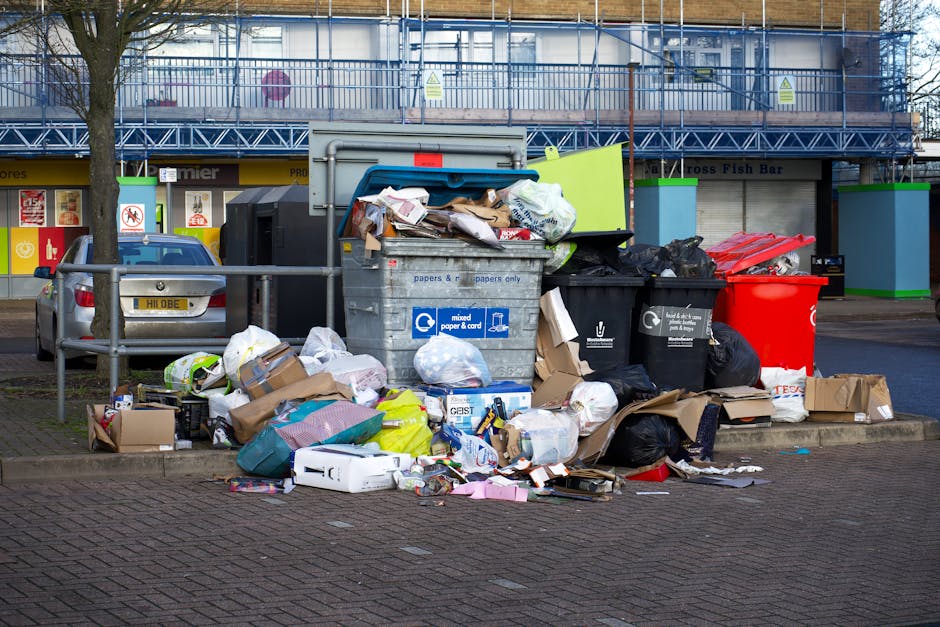
Northcote Road has its own rhythm. Busy pavements, tucked-away flats, cafe deliveries, weekend...
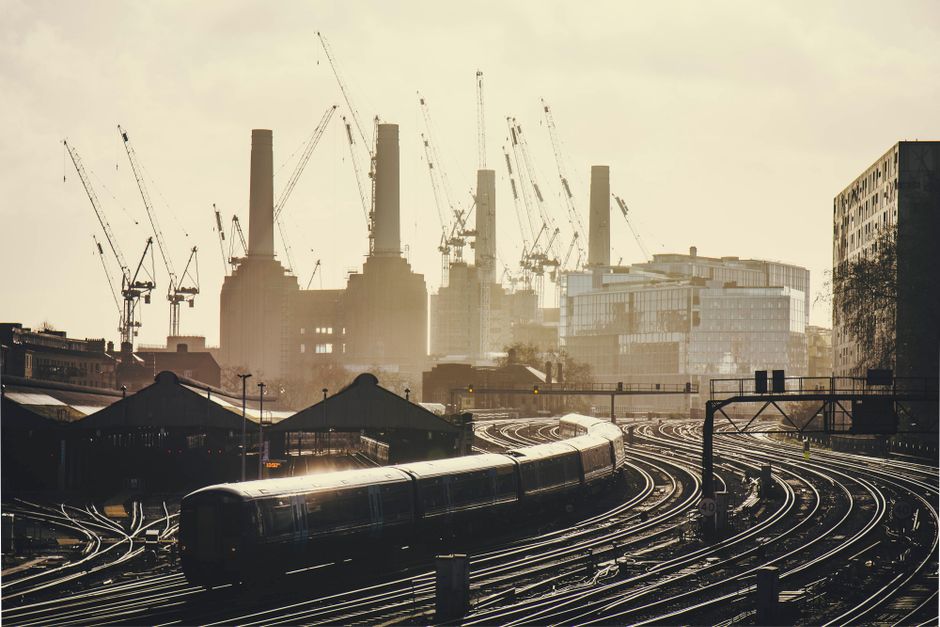
If you need Same day rubbish removal Battersea Power Station SW11, you usually need it for a...

Battersea is a bustling and vibrant neighborhood located in the London Borough of Wandsworth.

Investing in property has always been a lucrative avenue for potential investors, and Battersea...

Battersea, located within the heart of London, is a vibrant neighborhood known for its pulsating...

Battersea, located in the heart of London, is one of the most sought-after areas for property...

Nestled in the heart of London, Battersea is a vibrant neighborhood that offers a perfect blend...

 (79)
(79)