Northcote Road bulky rubbish collection in Battersea
Posted on 17/07/2026
Northcote Road Bulky Rubbish Collection in Battersea: A Practical Local Guide
Northcote Road has its own rhythm. Busy pavements, tucked-away flats, cafe deliveries, weekend footfall, and the usual London challenge of where on earth do you put the big stuff? If you are dealing with an old sofa, a broken wardrobe, builders' offcuts, or a stack of unwanted household items, Northcote Road bulky rubbish collection in Battersea is often the quickest and least stressful way to clear space without turning the kerb into a headache.
This guide explains how bulky rubbish collection works in this part of Battersea, what you can usually dispose of, what to avoid, how to prepare properly, and how to choose a service that feels safe, tidy, and straightforward. It is written for real-life situations, not ideal ones. Because let's face it, rubbish rarely shows up at a convenient time.
If you want a broader look at local disposal options, it can also help to scan the wider services overview and the company's approach to recycling and sustainability before booking anything.
Why Northcote Road bulky rubbish collection in Battersea Matters
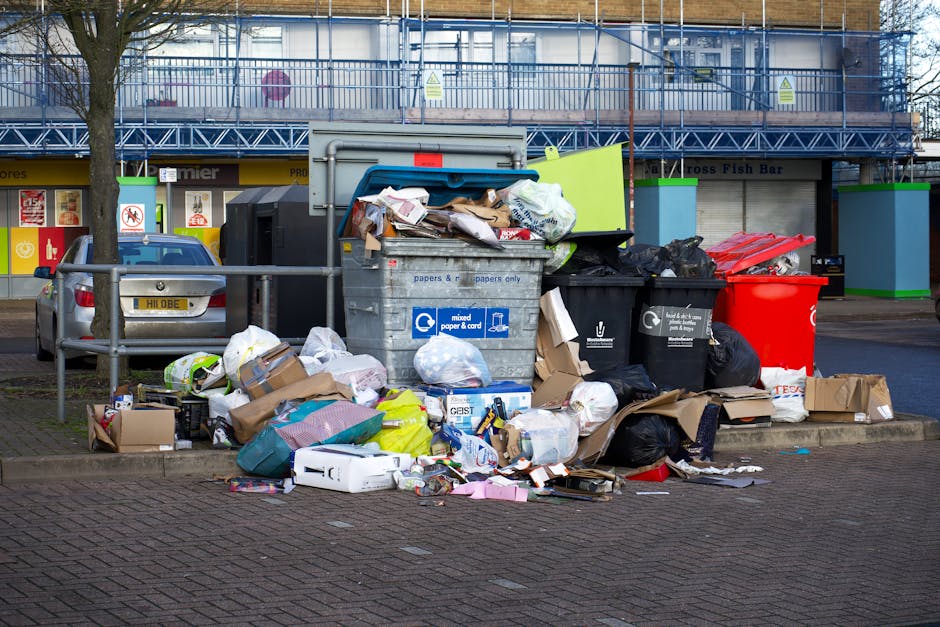
Bulky waste is different from everyday rubbish. A bin bag can be carried out in seconds; a bed frame, busted fridge, or three-piece suite is another story entirely. On Northcote Road, that difference matters even more because access can be tight, parking can be awkward, and many properties are part of shared blocks or converted houses where stairwells and entrances need to stay clear.
When bulky items sit around too long, they do more than look untidy. They get in the way of cleaning, damage hallways, attract pests, and can make a home or business feel like it is in permanent limbo. In rental properties, this becomes a turnover problem. In shops or offices, it can interrupt trading. In family homes, it just gets annoying quickly. Not glamorous, but true.
There is also the neighbourhood side of it. Northcote Road is a busy local stretch, and unmanaged waste can create a poor impression for neighbours, visitors, and passers-by. A prompt, orderly collection keeps things moving and helps avoid the kind of clutter that makes a street feel neglected.
For landlords and sellers, bulky rubbish can also affect presentation. If you are planning a refresh or looking at wider property work in the area, you may find the local insight in a practical guide to Battersea property investment useful, especially if clearance is part of a broader upgrade plan.
Expert summary: On Northcote Road, bulky rubbish collection is not just about convenience. It is about access, presentation, neighbourly respect, and clearing space without turning a simple job into a drawn-out mess.
How Northcote Road bulky rubbish collection in Battersea Works
In practice, bulky rubbish collection is usually a straightforward arranged pickup or on-site clearance service. You identify the items, book a collection window, and the team removes the waste from your property, side return, shop, or loading point. In some cases, the items are loaded from a front garden or ground-floor room; in others, they need to be carried down stairs. It depends on the building and access.
The process normally starts with a description of the waste. Photos help, especially if you have mixed loads or items that look larger than they seem. A worn sofa in a small flat may still take two people to move safely, and a pile of dismantled furniture can occupy more space than expected. Good operators want clarity, because it affects the vehicle, crew size, and handling time.
Once booked, the collection usually happens within a set arrival window. On Northcote Road, timing matters because kerbside space is limited and traffic can be unpredictable. If an item needs to be moved from inside the property, it should be staged in a way that keeps entrances clear. That part sounds obvious, but it saves a lot of faff on the day.
Some jobs are simple one-offs. Others are linked to bigger clearances such as furniture removal in Battersea, house clearance, or office clearance. If your waste is mixed, the team may sort reusable items, recyclable materials, and residual rubbish separately where practical.
What counts as bulky rubbish?
Typical bulky waste includes:
- Sofas, armchairs, mattresses, and bed frames
- Wardrobes, tables, cupboards, and shelving
- White goods such as fridges, freezers, washing machines, and cookers
- Damaged or unwanted office furniture
- Garden items such as broken planters, old fencing, or heavy outdoor furniture
- DIY and light builders' offcuts, when accepted by the operator
If you are not sure whether something qualifies, a quick description is better than guessing. Items that contain gases, fluids, batteries, or specialist components may need separate handling. That is where careful screening matters.
Key Benefits and Practical Advantages
There are a few reasons people on Northcote Road choose a dedicated bulky rubbish collection rather than trying to manage everything themselves.
1. It saves time. You do not need to hire a van, arrange helpers, or spend half your day figuring out parking. For a lot of people, that alone is worth it.
2. It reduces physical strain. Bulky items are awkward, especially on narrow stairs or around corners. A sofa is never just a sofa when you are carrying it down a staircase, is it?
3. It helps you stay compliant. If waste is left outside improperly or passed to an unlicensed collector, you can create avoidable risk. Using a properly run service gives you a cleaner paper trail and more peace of mind.
4. It improves presentation quickly. This matters for landlords, agents, shops, and anyone preparing a property for sale, letting, or refurbishment.
5. It supports recycling where possible. A good collection service will separate items for reuse or recycling where the waste stream allows, rather than treating everything as a single mixed load.
If you want to understand how a responsible operator handles materials, the page on waste carrier licence and compliance is worth a look, along with the practical detail in insurance and safety.
Who This Is For and When It Makes Sense
Northcote Road bulky rubbish collection in Battersea makes sense for a lot of different people. You might be surprised how often it comes up in normal life. One weekend it is a sofa after a flat move; the next it is a landlord clearing a property between tenancies; then it is a small shop replacing tired display units before Monday morning. Real life keeps changing its mind.
Homeowners and tenants
If you are replacing furniture, decluttering before a renovation, or clearing a room that has quietly become a storage zone, bulky collection is the sensible route. It is especially useful when you cannot fit items in a car or do not want to spend an entire Saturday wrestling with them.
Landlords and letting agents
Turnover periods are tight. If a property is left with abandoned mattresses, broken chairs, or appliance leftovers, a fast clearance can help reset the space for the next tenant. This is especially relevant in Battersea, where expectations for presentation tend to be high.
Local businesses
Shops, cafes, salons, and offices near Northcote Road often need help with old stock, display fixtures, packaging waste, and office furniture. If that sounds familiar, a commercial collection or lighter commercial waste removal in Battersea may be the better fit than trying to squeeze everything into general rubbish handling.
People managing a one-off event or seasonal reset
After a refit, a move, or a busy period, bulky waste often appears all at once. That sudden pile in the hallway or back room is a pretty good sign you need a proper collection rather than a patchwork fix.
Step-by-Step Guidance
If you want a smooth collection, the simplest approach is to prepare properly. A few minutes of planning usually saves a surprising amount of back-and-forth later.
- List the items. Write down what needs to go. Separate furniture, appliances, and mixed waste if you can.
- Check access. Think about stairs, parking, narrow gates, basement steps, and whether the item can be carried out safely.
- Take photos. Clear photos make quoting easier and reduce misunderstandings.
- Remove personal belongings. Open drawers, cabinets, and hidden compartments before collection day. People forget this more than they should.
- Disassemble where sensible. Flat-pack furniture, bed frames, and shelving are often easier to remove when broken down.
- Separate hazardous or restricted items. Paint tins, chemicals, gas canisters, and certain electrical items may need different handling.
- Book a suitable time. Try to choose a window that works with parking and building access. Early slots can be calmer.
- Clear a route. Make sure hallways and entrances are free so the team can move without damaging walls or blocking neighbours.
- Confirm what happens next. Ask how the waste will be handled, whether recycling is prioritised, and how payment works.
For mixed loads, a broader service such as waste clearance in Battersea or rubbish collection in Battersea may suit better than a single-item pickup. The right choice depends on volume and access, not just the headline item.
Expert Tips for Better Results
Here is the part that tends to make the biggest difference in real jobs.
Be specific about the waste
"A bit of furniture" is not very helpful. "Two wardrobes, one mattress, one broken desk, and a box of mixed soft furnishings" is much better. Specific detail helps with pricing and avoids surprise delays.
Keep the load together
If possible, group items in one place rather than scattering them around the property. The collection crew should not have to hunt for a stray chair in the garden while someone else is waiting at the front door.
Think about timing around Northcote Road traffic
Traffic around busy local streets can be stop-start, and parking can fill quickly. A short delay is normal. Build a little flexibility into your day instead of squeezing the collection between five other tasks.
Use the right service type
Furniture, appliances, garden waste, and builders' debris are not always treated the same. If your load is mainly old household items, furniture disposal in Battersea may be enough. If it includes a fridge, the safer path is white goods and appliance disposal in Battersea.
Little practical tip: if you are clearing a room before decorators arrive, remove bulky waste first. Paint dust and clearance dust do not mix well. Been there, regretted that.
Common Mistakes to Avoid
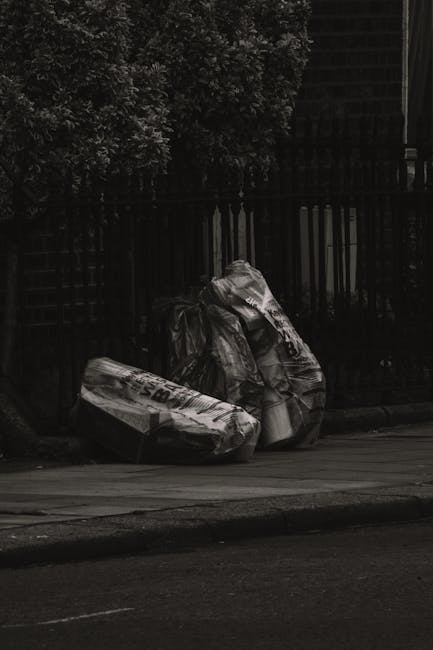
Most bulky collection problems are avoidable. The usual mistakes are simple, but they add up.
- Leaving items until the last minute. People often realise the night before a move that the sofa will not fit in a friend's van. That is a stressful way to learn the lesson.
- Mixing prohibited items with general waste. Batteries, gas bottles, chemicals, and some electrical components may require special handling.
- Not measuring large items. A wardrobe that looks manageable in a hallway can be a problem at the stair turn.
- Blocking access routes. Crews need a clear path. So do neighbours, especially in shared buildings.
- Choosing purely on price. Very cheap collections can turn out badly if there is no clarity on licensing, insurance, or what happens to the waste.
- Forgetting that someone still has to lift it. This sounds obvious, but you would be amazed how often people underestimate weight and awkwardness.
A useful rule of thumb: if the item is heavy, awkward, sharp-edged, or likely to leak, do not improvise. Ask first. That small check can save a lot of trouble.
Tools, Resources and Recommendations
You do not need specialist equipment to prepare for bulky rubbish collection, but a few simple tools make the job smoother.
- Measuring tape: useful for checking whether an item will clear the door frame or stairwell.
- Phone camera: ideal for photographing the load before booking.
- Label tags or tape: helps mark items that must stay or go.
- Basic screwdriver or Allen key: useful for dismantling flat-pack items.
- Heavy-duty gloves: sensible if you are moving broken furniture or rough materials.
- Clear bags or boxes: good for loose parts, fittings, and small mixed rubbish.
On the decision-making side, these pages can help you compare services and book with more confidence:
- pricing and quotes for understanding how estimates are usually framed
- payment and security for a calm checkout process
- about us if you want a better sense of the company behind the service
If you are interested in lower-waste habits beyond one-off collections, the company's recycling and sustainability page is a useful companion read.
Law, Compliance, Standards, or Best Practice
Bulky rubbish collection may seem simple, but there are still sensible compliance points to keep in mind. In the UK, waste should be handled by a properly authorised carrier, and you should not hand waste to someone whose approach feels vague or unprofessional. If a collector cannot explain what happens to the waste, that is a warning sign.
Good practice also means safe handling. Heavy lifting should be managed carefully, items should be moved without causing damage, and vehicles should be loaded in a way that prevents littering or spillage. In mixed waste jobs, a responsible operator will usually separate recyclable materials where practical, rather than taking a "toss it all in and hope" approach. Which, honestly, is not much of a plan.
For customers, the practical side is simple:
- Choose a licensed, insured provider
- Describe the waste accurately
- Avoid handing over restricted or hazardous items without checking first
- Keep any waste transfer paperwork or confirmation you are given
Those habits are not just about ticking boxes. They reduce the risk of fly-tipping, disputes, and surprise charges. They also make it easier to feel confident you have dealt with the job properly.
Options, Methods, or Comparison Table
There is more than one way to get bulky waste out of a Battersea property. The best choice depends on urgency, quantity, access, and how much handling you want to do yourself.
| Option | Best for | Pros | Limitations |
|---|---|---|---|
| DIY disposal | Very small loads and easy access | Can be cheap if you already have transport | Heavy lifting, parking stress, time-consuming |
| Booked bulky collection | Homes, flats, and small businesses with mixed items | Convenient, direct, usually faster | Requires clear item description and access planning |
| Furniture-specific removal | One-off sofas, beds, wardrobes, and tables | Efficient for household items | May not suit mixed waste streams |
| Full clearance service | Moves, refurbishments, estates, or larger reset jobs | Covers more of the property in one visit | More planning needed |
For some projects, a dedicated builders' waste disposal service in Battersea is the right fit, especially if the load includes rubble, timber, plasterboard, or renovation offcuts. For others, a lighter domestic clearance makes more sense. Matching the method to the material is the trick.
Case Study or Real-World Example
Imagine a first-floor flat just off Northcote Road. The tenant has moved out, and the landlord finds a sagging sofa, a mattress, a broken dining table, and a few bags of leftover items in the hallway. The property is booked for cleaning the next morning and new photos are planned later in the week.
The first instinct might be to chip away at it with bin bags and a borrowed car. But that creates three issues immediately: time, lifting, and parking. A better approach is to photograph the items, group them in one room, and arrange a bulky collection with clear access instructions. If the sofa is too large to move intact, it can often be assessed on arrival and handled with the right crew and equipment.
In a similar real-world scenario, a small retailer on Northcote Road replaced old display units and packaging waste after a stock reset. Instead of storing the rubbish behind the shop for days, they arranged a same-day pickup. The front of house stayed neat, the back room remained usable, and the business could open without that slightly chaotic "we are sorting things out" look.
If you are dealing with a larger, time-sensitive job, the article on same-day rubbish removal in Battersea Power Station SW11 is a useful example of how quick-turnaround waste handling can work in nearby parts of Battersea.
Practical Checklist
Use this checklist before your collection day. It keeps things calm. Or at least calmer.
- List every bulky item that needs removing
- Measure especially large or awkward pieces
- Take clear photos from more than one angle
- Remove personal items from drawers, shelves, and cupboards
- Separate items that may need special handling
- Clear hallways, entrances, and stair routes
- Confirm where the collection vehicle can stop
- Check whether any building rules apply to access or timings
- Ask about recycling or reuse where relevant
- Keep your booking details and any confirmation messages
If your property is part of a busy household, shared building, or office environment, give yourself a little extra time. One person's "I'll just move that later" can become everyone else's "where did this box come from?"
Conclusion
Northcote Road bulky rubbish collection in Battersea is really about making a messy task feel manageable. When the waste is large, awkward, or simply too much to sort yourself, a well-planned collection saves time, reduces stress, and helps keep homes, shops, and communal spaces tidy.
The best results usually come from simple preparation: know what is going, describe it clearly, make access easy, and choose a service that handles waste responsibly. That combination is hard to beat. It keeps things practical, safe, and pleasantly uneventful, which is exactly what you want from rubbish removal. Truth be told, uneventful is a very good outcome here.
For anyone living, working, or letting property in this part of Battersea, a reliable bulky collection is one of those small services that makes daily life feel lighter. And sometimes, that little bit of space back is enough to make the whole place breathe again.
Get a free quote today and see how much you can save.


 Tipper Van - Rubbish Removal and Attic Clearance Prices in Battersea, SW11
 Luton Van - Rubbish Removal and Attic Clearance Prices in Battersea, SW11